
GSM PTT Radios
GSM PTT Radios for South Africa
A cloud-managed communication system using GSM PTT radios that link seamlessly with smartphones and dispatcher PCs. Teams can talk instantly across the country, manage group channels, and view live GPS locations. Radios are programmed and updated through the cloud, removing the need for expensive installations or repeaters. The radios also include a simple built-in patrol function for sites that only need basic guard rounds. Guards scan NFC tags using the radio, receive audible confirmations, and managers export clean Excel reports for compliance checks.
- GSM PTT Radios
- Link to Smartphones, Vehicle Radios and PC Dispatcher
- Multi Site Group Talk


Two-Way Radios with Patrols highlights
- GSM PTT Radios
- Link to Smartphones, Vehicle Radios and PC Dispatcher
- Multi Site Group Talk
- Live GPS Locations
- Nationwide Coverage
- Cloud Programming and Device Management
- No Expensive Infrastructure
- Simple Radio Patrol Patrol Mode (NFC Tags + Audible Alerts + Excel Reports)
What is a GSM PTT radio system, and how does Zamatrack run one?
A GSM push-to-talk (PoC) radio system carries voice over mobile data on a cellular network instead of through your own repeaters. Zamatrack's T700L and T710A radios work anywhere with mobile data coverage across South Africa, and link to smartphones, vehicle radios and the PTT Dispatcher Platform. The dispatcher runs in a web browser: the control room sees every radio on a live map with its route history, talks to one guard, a group or everyone, and gets SOS and geofence alerts. Radios are programmed and updated through the cloud, so there are no repeaters or masts to install. A built-in patrol mode lets guards scan NFC tags with the radio for basic rounds. Prices, ex VAT: the PTT Comms Radio Bundle is R140 per month and the PTT Patrol Radio Bundle R230 per month (radio not included), a T700L rents for R295 per month over 24 months, and the dispatcher is R300 per month.
Before and after
What problems does GSM push-to-talk with patrols solve?
Unify voice communications and verified patrol workflows—managed centrally from the cloud. Designed for security teams operating across wide geographic areas.
Without Zamatrack
- Fragmented radio and patrol workflows
- High infrastructure cost for legacy radio systems
- Limited visibility across sites and teams
- Hard to prove patrol compliance in real time
With Zamatrack
- Cloud-managed radios and channels
- Nationwide coverage without expensive infrastructure
- Live GPS visibility for teams and vehicles
- Built-in patrol verification with exportable reports
How it works
How does GSM push-to-talk with patrols work?
Simple, repeatable steps, built for teams moving fast across sites.
Connect
Link radios, smartphones, vehicles, and PC dispatch.
Manage
Program and manage devices from the cloud.
Locate
View live GPS locations across sites.
Verify
Use patrol mode with NFC tags and alerts.
Core features
What features does GSM push-to-talk with patrols include?
Not a full feature dump, just the capabilities that make the solution powerful.
GSM PTT Radios
Reliable GSM push-to-talk radios for field teams.
Dispatcher + Vehicle + Smartphone Linking
Connect teams across devices and roles.
Group Talk
Run secure group channels across sites.
Live GPS Locations
Track teams and vehicles in real time.
Nationwide Coverage
Operate across wide areas with consistent connectivity.
Cloud Programming
Manage devices and settings centrally.
No Expensive Infrastructure
Avoid legacy radio infrastructure costs.
Radio Patrol Mode
Use NFC tags, audible alerts, and exportable reports.
Compared
How does GSM PTT compare with analogue and DMR radio?
All three give push-to-talk voice. They differ in how the voice travels, what you have to install and what happens when a network goes down.
| Feature | Analogue two-way radio | DMR digital radio | GSM PoC radio |
|---|---|---|---|
| Range | Usually a few kilometres, further through a repeater | Similar to analogue, with clearer audio at the edge | Anywhere with mobile data coverage, across the country |
| Infrastructure | Radios plus a repeater, antenna and high site | The same as analogue | Radios with data SIMs; no repeaters or masts |
| Monthly cost | Licence fees, site rental and maintenance | Licence fees, site rental and maintenance | A monthly fee per radio for service and data |
| When the cell network is down | Keeps working radio to radio | Keeps working radio to radio | No voice until data coverage returns |
| Live GPS and dispatch | Not usually | On some radios, with extra software | Built in: live map and web dispatcher |
| Best for | One site, simple talk, tight budget | Large single sites with poor cell coverage | Teams spread across suburbs, cities or provinces |
Product tour
What does GSM push-to-talk with patrols look like in Worxit?
See how the workflow maps to real operations: capture, verification and reporting.

Operations dashboard
Centralised visibility with audit-ready records and fast filtering by site.
- GSM PTT Radios
- Link to Smartphones, Vehicle Radios and PC Dispatcher
- Multi Site Group Talk
Mobile execution
Designed for field teams: fast capture with verification and minimal admin.
- GSM PTT Radios
- Dispatcher + Vehicle + Smartphone Linking
- Group Talk

Use cases
Who is GSM push-to-talk with patrols for?
Common teams and environments where this solution delivers immediate impact.
Security teams with wide-area coverage
Vehicle patrol and dispatch operations
Remote and distributed sites
Multi-site guarding companies
See Two-Way Radios with Patrols working on your sites
A 30-minute live demo, tailored to your operation. No obligation.
Measurable outcomes
What results can you expect from GSM push-to-talk with patrols?
Results-focused impact: clear improvements your team can feel quickly.
Improved team coordination
Reduced communication delays
Verified patrol compliance
Lower infrastructure cost
Works with
- GSM PTT radios
- NFC tags
- Smartphones
- Vehicle radios
- Dispatcher PCs
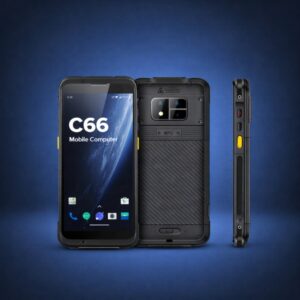
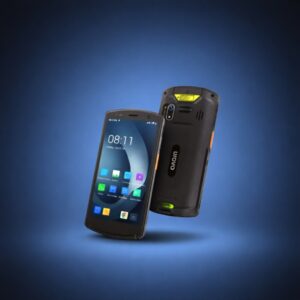
Hardware and licences
What hardware and licences do you need?
Hardware and licences designed for this solution, available in our online store.
Guides
Which guides go deeper on this?
In-depth operational frameworks, compliance guides, and technology comparisons.
PTT Radios in South Africa: PoC vs Two-Way Radio, Costs and Licensing
How PoC compares with analogue and DMR two-way radio on coverage and cost, when you need an ICASA licence, and how to choose.
Read guideHow to Choose a Security Guard Management System in South Africa
How unified Push-to-Talk radios and digital patrol logging reduce equipment costs and enhance officer safety.
Read guideHow to Manage Security Guards Effectively: Operations & Tech Guide
Operational best practices for command centre dispatch, SOS duress response, and real-time guard tracking.
Read guidePTT Talk Groups and Control-Room Dispatch
How to plan talk groups by site and role, run control-room dispatch, handle SOS alerts and keep radio call discipline.
Read guideFAQ
What do buyers ask about GSM push-to-talk with patrols?
Common questions from teams evaluating two-way radios with patrols.
What is a GSM PTT radio?
A GSM push-to-talk (PTT) radio, also called a PoC radio, sends voice over the mobile network instead of through a radio repeater. Zamatrack's cloud-managed GSM PTT radios let teams talk across South Africa, link to smartphones, vehicle radios and a PC dispatcher, and show live GPS locations.
Do GSM PTT radios need repeaters?
No. The radios run on the GSM network and are programmed and updated through the cloud, so there are no repeaters or expensive radio installations to set up and maintain.
Can the radios be used for guard patrols?
Yes, for basic rounds. The T700L and T710A radios have a built-in patrol mode: guards scan NFC tags with the radio, hear an audible confirmation, and managers export Excel reports. For live missed-patrol alerts and incident reports, use Guard Patrol Solutions.
What does the PTT dispatcher cost?
The PTT Dispatcher Platform is R300 per month, ex VAT. It runs in a web browser, shows every radio on a live map with its route history, and lets the control room talk to one guard, a group or everyone.
Sources
- Electronic Communications Act, 2005. ICASA. Section 31(1) requires a radio frequency spectrum licence to transmit by radio.
- ICASA spectrum licensing. ICASA. How business radio users apply for spectrum licences.
One platform
Which modules work well alongside it?
Every module shares the same dashboard, users and reports, so you can add more as you grow.
Guard Patrol Solutions
Digitise, track, and verify security patrols in real time across all sites.
Learn moreOccurrence Logs
Document incidents and events with comprehensive media capture and GPS tracking.
Learn moreShifts
Complete control and visibility over workforce scheduling and operational handovers.
Learn moreReady to see Two-Way Radios with Patrols in action?
Book a 30-minute live demo and see how Worxit fits your sites, teams and reporting.